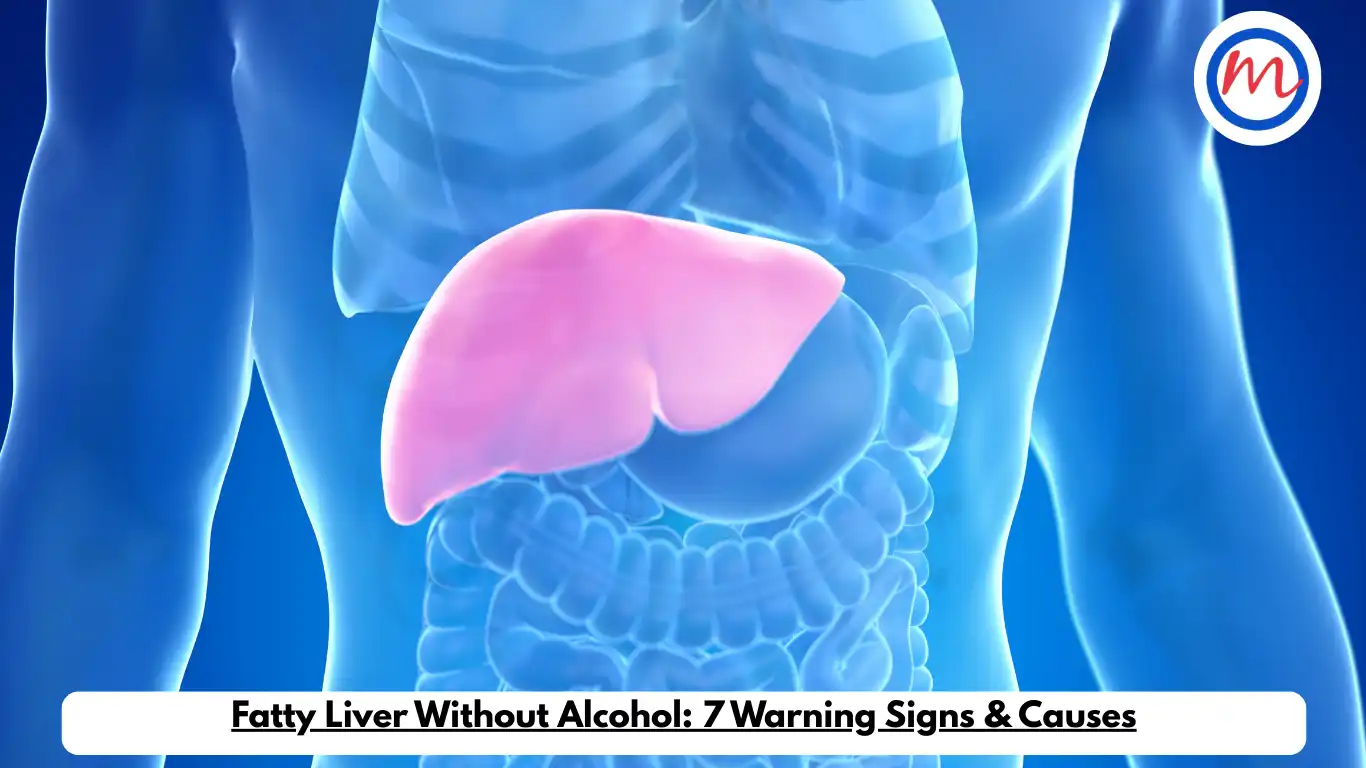

5 Powerful Links Between Liver Fat and Metabolic Dysfunction
The Silent Metabolic Signal
Liver fat is often discovered accidentally during a routine ultrasound. Many people feel surprised because they do not drink alcohol and may not have any symptoms. However, the connection between liver fat and metabolic dysfunction is strong, clinically significant and often underestimated.
Fat accumulation inside liver cells is not just a liver issue—it is a metabolic warning sign. When excess fat builds up in the liver, it reflects deeper disturbances in insulin sensitivity, fat metabolism and hormonal regulation. Understanding the relationship between liver fat and metabolic dysfunction allows early prevention of diabetes, heart disease and kidney complications.
1. Insulin Resistance Drives Liver Fat Accumulation
One of the most powerful links between liver fat and metabolic dysfunction is insulin resistance.
When the body becomes resistant to insulin:
-
Blood sugar levels rise
-
The pancreas produces more insulin
-
Excess glucose is converted into fat
-
Fat gets deposited in the liver
As liver fat increases, insulin resistance worsens further. The liver begins releasing more glucose into the bloodstream, especially during fasting. This creates a vicious cycle where liver fat increases metabolic dysfunction, and metabolic dysfunction increases liver fat.
This explains why liver fat and metabolic dysfunction are commonly seen together in people with prediabetes and type 2 diabetes.
2. Liver Fat Disrupts Blood Sugar Regulation
The liver plays a central role in glucose balance. It stores glucose and releases it when needed. However, when liver fat and metabolic dysfunction coexist:
-
The liver releases excess glucose
-
Fasting blood sugar levels rise
-
Post-meal spikes become more pronounced
-
Glucose variability increases
Even individuals with borderline sugar levels may have abnormal fasting glucose due to fatty liver. In many cases, liver fat is an early metabolic disturbance that appears before full diabetes develops.
Improving liver fat often leads to measurable improvements in insulin sensitivity and fasting glucose.
3. Fatty Liver Worsens Cholesterol and Triglycerides
Another critical link between liver fat and metabolic dysfunction involves lipid metabolism.
The liver regulates cholesterol and triglycerides. When fat accumulates:
-
Triglycerides increase
-
HDL (“good” cholesterol) decreases
-
Small dense LDL particles rise
-
Cardiovascular risk increases
This abnormal lipid pattern is a hallmark of metabolic syndrome. It explains why individuals with fatty liver often face increased heart disease risk—even if their weight appears normal.
Thus, liver fat and metabolic dysfunction directly influence cardiovascular health, not just liver health.
4. Abdominal Fat and Liver Fat Act Together
Visceral fat (fat around abdominal organs) strongly influences liver fat and metabolic dysfunction.
Visceral fat:
-
Releases inflammatory chemicals
-
Sends excess fatty acids directly to the liver
-
Increases insulin resistance
This direct transfer of fat from abdominal tissue to the liver accelerates metabolic imbalance. Importantly, someone may have a normal BMI but increased waist circumference and significant liver fat. This condition is sometimes described as “metabolically unhealthy normal weight.”
Reducing waist size frequently reduces liver fat and improves metabolic parameters significantly.
5. Liver Fat Triggers Chronic Inflammation
Chronic low-grade inflammation is a defining feature of liver fat and metabolic dysfunction.
Fat accumulation in liver cells causes:
-
Increased inflammatory markers
-
Oxidative stress
-
Liver cell injury
-
Progressive scarring (fibrosis) in severe cases
Inflammation affects insulin action, blood vessels and overall hormonal balance. Over time, the systemic inflammation associated with liver fat contributes more to heart disease risk than to advanced liver disease itself.
This demonstrates how liver fat and metabolic dysfunction are systemic, not isolated, problems.
Is Liver Fat Reversible?
The encouraging news is that early-stage liver fat is often reversible. Addressing liver fat and metabolic dysfunction requires consistent but realistic lifestyle adjustments.
Effective strategies include:
-
5–10% body weight reduction (if overweight)
-
Reduction in waist circumference
-
Regular physical activity
-
Improved insulin sensitivity
-
Balanced meals with reduced refined carbohydrates
-
Adequate sleep and stress control
Even modest changes can significantly reduce liver fat and restore metabolic balance.
Consistency matters more than extreme restriction.
Warning Signs of Liver Fat and Metabolic Dysfunction
Fatty liver usually has no symptoms. However, indirect indicators may include:
-
Elevated triglycerides
-
Increased waist circumference
-
Mildly elevated liver enzymes
-
Prediabetes
-
Insulin resistance
Routine screening helps detect liver fat and metabolic dysfunction early—before complications develop.
The Long-Term Perspective
The relationship between liver fat and metabolic dysfunction reflects deeper metabolic imbalance in how the body processes sugar and fat. Ignoring liver fat allows metabolic stress to continue silently for years.
Addressing liver fat early improves:
-
Insulin sensitivity
-
Lipid profile
-
Blood pressure stability
-
Cardiovascular risk
-
Long-term metabolic resilience
The Key Takeaway
The connection between liver fat and metabolic dysfunction is powerful, measurable and largely preventable. Liver fat is not just a scan finding—it is a metabolic signal.
By improving insulin sensitivity, reducing abdominal fat and maintaining consistent lifestyle habits, individuals can reverse early liver fat and protect long-term metabolic health.
Protecting liver health means protecting the heart, kidneys and overall metabolic balance for years to come.
To know more: Click-https://drmohans.com/