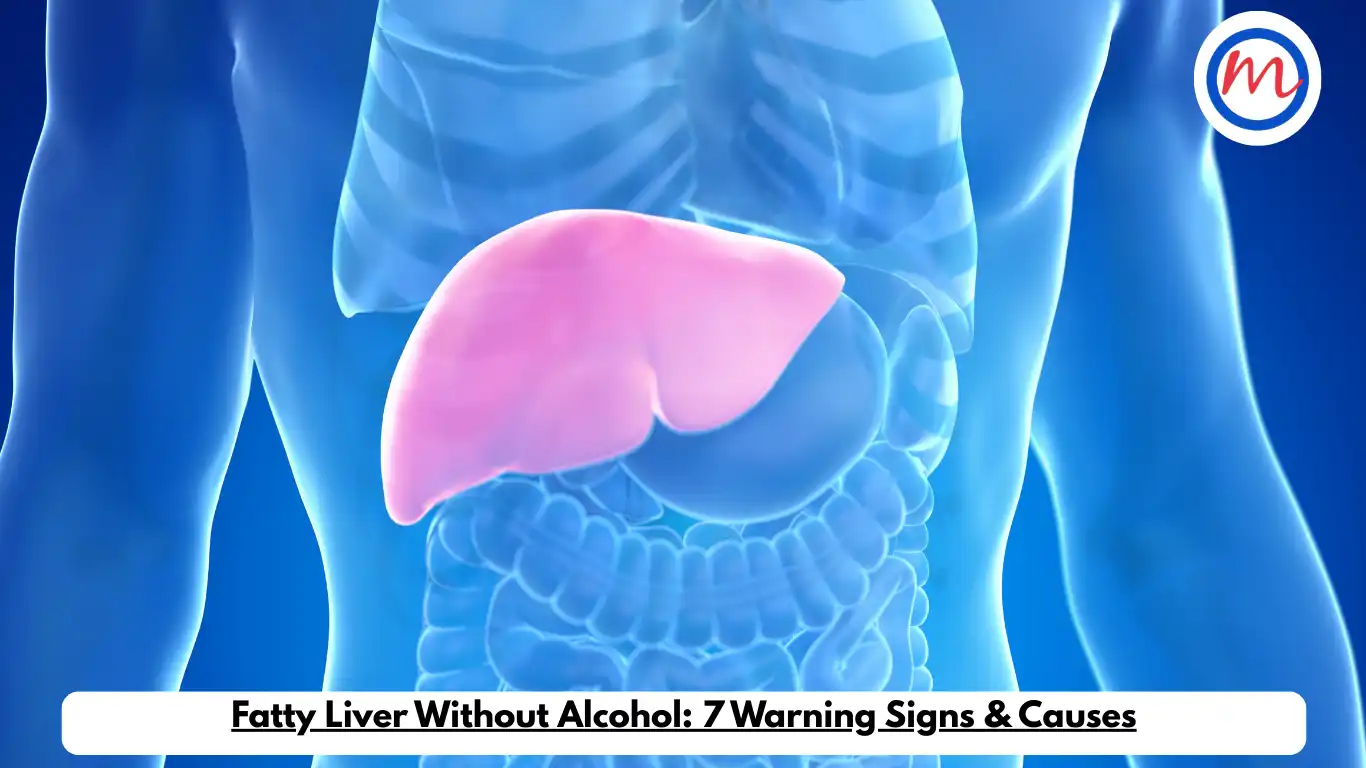
Fatty Liver Without Alcohol: 7 Warning Signs & Causes
Introduction: Understanding Fatty Liver Without Alcohol
Many people feel shocked when a scan report shows fatty liver without alcohol, especially if they do not drink at all. A common reaction is: “I don’t drink—how can I have fatty liver?”
This confusion is understandable. Fatty liver without alcohol is increasingly common today and often develops silently, without pain or obvious symptoms. It is medically known as Non-Alcoholic Fatty Liver Disease (NAFLD).
Understanding fatty liver without alcohol in simple terms helps individuals take early action and prevent long-term complications.
What Is Fatty Liver Without Alcohol?
Fatty liver without alcohol means excess fat has accumulated inside liver cells in people who consume little or no alcohol.
Normally, a small amount of fat in the liver is harmless. However, when fat builds up beyond normal levels, it interferes with liver function and signals underlying metabolic dysfunction.
Fatty liver without alcohol is strongly linked to insulin resistance, high blood sugar and abnormal cholesterol levels.
Why Is the Liver So Important?
The liver performs several essential functions:
-
Processes food and nutrients
-
Helps regulate blood sugar
-
Manages cholesterol and triglycerides
-
Detoxifies harmful substances
-
Stores vitamins and minerals
When fatty liver without alcohol develops, these processes become less efficient—even if the person feels completely normal.
7 Common Causes of Fatty Liver Without Alcohol
1. Insulin Resistance
Insulin resistance is one of the main drivers of fatty liver without alcohol. When insulin does not work effectively, excess glucose is converted into fat and stored in the liver.
2. High Blood Sugar
Persistently elevated blood sugar increases fat production in the liver.
3. Excess Refined Carbohydrates
High intake of refined carbohydrates and sugary foods promotes liver fat accumulation.
4. Abdominal Obesity
Excess belly fat releases fatty acids directly to the liver, worsening fatty liver without alcohol.
5. High Triglycerides
Elevated triglycerides are strongly associated with liver fat and metabolic syndrome.
6. Sedentary Lifestyle
Physical inactivity reduces fat burning and increases fat storage in the liver.
7. Irregular Eating Patterns
Frequent snacking and late-night eating disturb metabolic balance and contribute to fatty liver.
The Strong Link Between Fatty Liver and Diabetes
Fatty liver and diabetes are closely connected.
Here’s how:
-
Insulin resistance causes blood sugar to rise
-
Excess sugar is converted into fat
-
Fat accumulates in the liver
-
A fatty liver worsens insulin resistance
This creates a vicious metabolic cycle.
Many people with fatty liver:
-
Have prediabetes
-
Already have type 2 diabetes
-
Develop diabetes later if untreated
Fatty liver without alcohol is often an early warning sign of future diabetes.
Why Fatty Liver Without Alcohol Often Has No Symptoms
One of the most concerning aspects of fatty liver is that it is usually silent.
Most individuals:
-
Feel completely normal
-
Have no abdominal pain
-
Continue daily activities without discomfort
Occasionally, vague symptoms may appear:
-
Fatigue
-
Heaviness in the upper abdomen
-
Mild bloating
However, by the time symptoms develop, liver inflammation or scarring may already be present.
How Is Fatty Liver Without Alcohol Detected?
Fatty liver is commonly detected during:
-
Routine ultrasound scans
-
Preventive health check-ups
-
Blood tests showing mildly elevated liver enzymes
Importantly, normal liver enzyme levels do not rule out fatty liver. Imaging tests remain crucial for accurate diagnosis.
Is Fatty Liver Without Alcohol Dangerous?
In early stages, fatty liver is often reversible.
However, if ignored, it may progress to:
-
Liver inflammation (steatohepatitis)
-
Fibrosis (scarring)
-
Cirrhosis
-
Increased cardiovascular risk
Heart disease is actually a more common complication than liver failure in people with fatty liver without alcohol.
Why Weight Alone Is Not the Full Picture
Fatty liver does not affect only overweight individuals.
Some people:
-
Have normal body weight
-
Appear slim
-
Still develop significant liver fat
This often occurs due to:
-
High visceral (belly) fat
-
Low muscle mass
-
Sedentary behaviour
-
Genetic predisposition
This condition is sometimes described as “metabolically unhealthy normal weight.”
How to Reverse Fatty Liver Without Alcohol
The encouraging news is that fatty liver can often be improved through consistent lifestyle changes.
1. Improve Blood Sugar Control
Stable glucose levels reduce fat production in the liver.
2. Increase Physical Activity
Daily walking and resistance training improve insulin sensitivity and help burn liver fat.
3. Reduce Refined Carbohydrates
Limiting excess rice, white bread and sugary foods lowers fat accumulation.
4. Reduce Abdominal Fat
Even 5–7% weight loss significantly improves fatty liver without alcohol.
5. Maintain Regular Follow-Up
Monitoring liver function, lipids and glucose ensures early intervention.
When Should You See a Doctor?
Consult a healthcare professional if:
-
Liver enzymes remain elevated
-
Blood sugar is poorly controlled
-
Triglycerides are high
-
Fatty liver persists despite lifestyle changes
-
You experience unexplained fatigue
Early intervention prevents long-term complications.
Click to know more: https://drmohans.com/
Click to book an appointment: https://drmohansdiabetes.co.in/enroll/?campname=website