
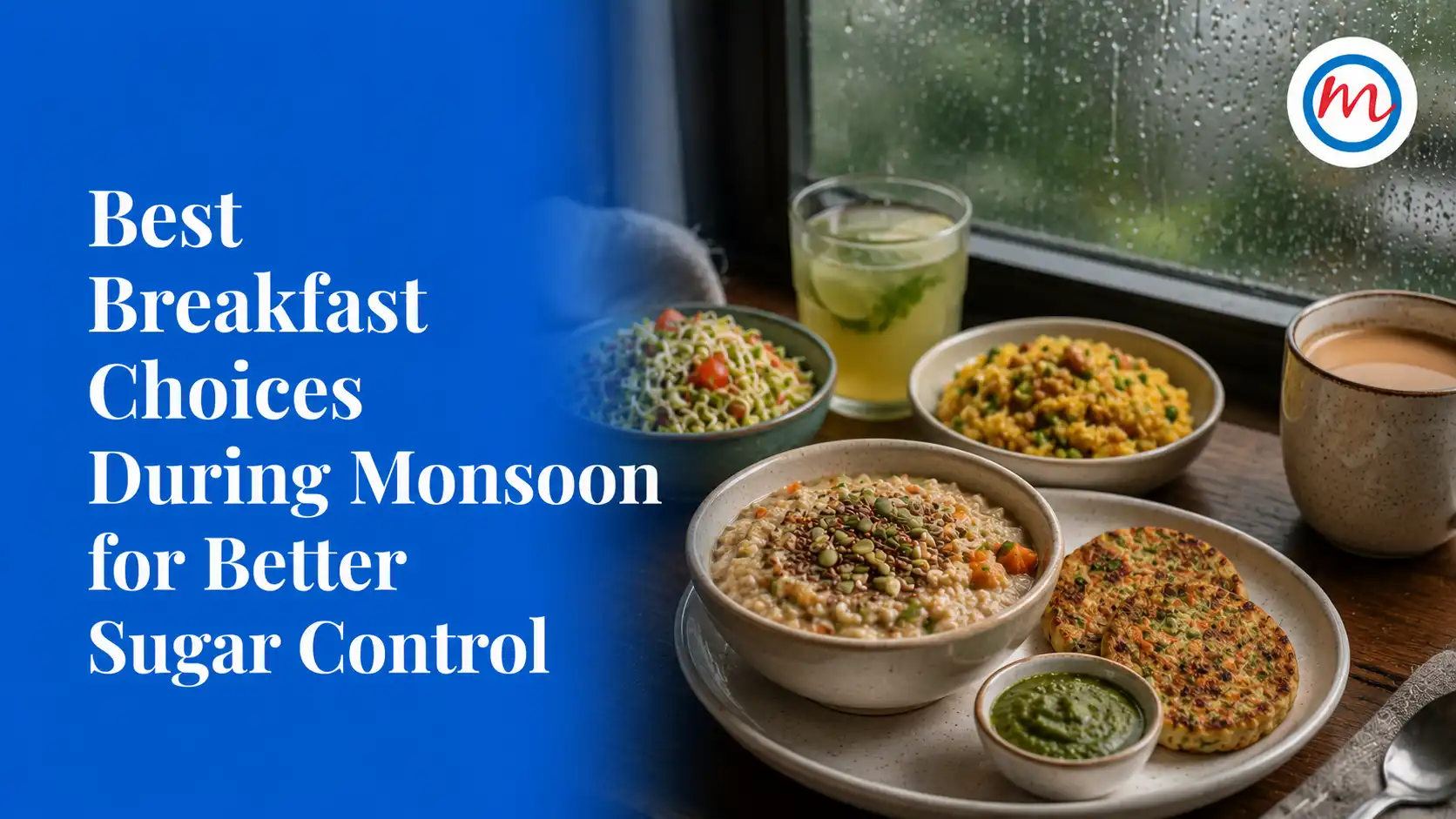
Diabetes Breakfast Monsoon Guide: Best Choices for Better Sugar Control
Getting your diabetes breakfast monsoon routine right is one of the most powerful steps you can take for daily blood sugar control. The rhythmic sound of pouring rain and the cool monsoon breeze naturally create a desire for comfort, warmth, and slow mornings. During this season, it is highly tempting to delay your morning routine or reach for quick, greasy comfort foods to pair with your morning tea.
However, for individuals managing diabetes, your first meal of the day acts as the metabolic anchor for the next 24 hours. Choosing the right diabetes breakfast monsoon options is crucial for keeping your blood glucose level flat, sustaining your energy levels, and strengthening your immune system against seasonal viruses. Let us explore the science behind why morning nutrition matters, discover the best regional monsoon breakfasts, and establish simple guidelines for a stable glucose curve.
Why Your Diabetes Breakfast Monsoon Choice Matters
Skipping breakfast or opting for simple, refined carbohydrates triggers a volatile chemical reaction in your body. When you wake up after hours of overnight fasting, your insulin sensitivity follows a specific circadian rhythm.
If you choose to skip your morning meal entirely to catch up on sleep during a rainy morning, your body perceives a state of starvation. This signals your adrenal glands to secrete cortisol and adrenaline, which prompts your liver to dump stored glucose directly into your bloodstream. This survival mechanism causes sharp morning spikes, midday brain fog, and intense cravings for heavy, fried foods by lunchtime.
Conversely, eating a structured, high fiber, protein balanced diabetes breakfast during the monsoon fills your cellular energy reserves smoothly, preventing subsequent blood sugar drops and keeping your appetite stable all day long.
Healthy Diabetes Breakfast Monsoon Options
A perfect diabetes breakfast monsoon plate should be served piping hot, packed with complex carbohydrates that digest slowly, and rich in lean proteins and dietary fiber to blunt any potential glucose spikes. Here are the best traditional choices:
Vegetable Oats Upma
Swap traditional refined semolina (suji) for whole rolled oats or steel cut oats. Lightly toast the oats and cook them with a generous assortment of high fiber vegetables like carrots, French beans, peas, and onions. Oats are packed with beta glucan, a specialized soluble fiber that forms a gel like matrix in your digestive tract, significantly delaying glucose absorption and optimizing insulin function.
Steamed Idli and Homemade Sambar
Idli is an excellent diabetes breakfast monsoon option because it is steamed rather than fried, making it very gentle on your digestive tract during a season when stomach infections are common. To make it ideal for diabetes, limit your portion to two small idlis and pair them with a large bowl of vegetable loaded, dal based sambar. The lentils in the sambar provide the necessary protein matrix to balance the rice carbohydrates in the idli. Avoid eating heavy amounts of white coconut chutney, opting instead for tomato onion or mint variants.
Moong Dal Chilla
Made from a ground batter of soaked yellow or green moong sprouts, this savory pancake is an absolute powerhouse for diabetes management. Moong dal possesses an incredibly low glycemic index and a high concentration of plant based protein. Enhance its nutritional profile by stuffing the chilla with freshly grated low fat paneer, chopped spinach, and ginger. It warms your body up instantly and provides hours of steady energy.
Whole Millet Upma
Replace your usual grains with unpolished country millets such as foxtail millet, finger millet (ragi), or pearl millet (bajra). Millets are naturally rich in magnesium, a vital mineral that acts as a cofactor for enzymes involved in glucose metabolism. Cooking millet upma with aromatics like warming ginger, green chilies, and curry leaves makes it a comforting, immune boosting diabetes breakfast monsoon option.
Vegetable Loaded Poha
Flattened rice (poha) can be successfully integrated into a diabetic routine if it is prepared mindfully. The secret is to cut the portion of flattened rice in half and double the volume of mixed vegetables and roasted peanuts tossed into the pan. The healthy fats and proteins from the peanuts, combined with the vegetable fiber, significantly lower the overall glycemic load of the plate.
Warm Sprouts Salad
If you prefer a lighter diabetes breakfast monsoon start, steam a mix of kala chana, green moong, and alfalfa sprouts. Toss them while warm with finely diced cucumbers, tomatoes, green chilies, a pinch of black pepper, and fresh lemon juice. Steaming the sprouts is a non negotiable safety rule during the monsoon to eliminate any surface bacteria or foodborne pathogens that thrive in damp weather.
Breakfast Foods to Limit or Avoid
To prevent stubborn, day long hyperglycemia, completely eliminate these common morning options from your kitchen:
- Deep Fried Breakfast Foods: Avoid morning choices like puri bhaji, bhature, kachoris, or fried bread pakoras. The combination of refined flour and degraded, reheated cooking oils causes immediate cellular inflammation and locks your body into a state of severe insulin resistance for the rest of the day.
- Sugary Commercial Cereals: Do not rely on boxed cornflakes, sweetened muesli, or instant flavored oatmeal packets. These items are highly processed, stripped of natural fiber, and coated in liquid sugars that cause immediate, sharp post meal glucose spikes.
How to Build a Balanced Diabetes Breakfast Monsoon Plate
No matter which traditional dish you choose, you can easily ensure optimal blood sugar control by organizing your breakfast using the clinical Plate Rule. According to the American Diabetes Association, the Diabetes Plate Method is one of the most practical tools for managing post meal glucose levels. To keep your numbers stable, ensure that fifty percent of your plate consists of non-starchy vegetables and lean fiber. This component provides the vital micronutrients and digestive bulk needed to manage your sugar curves.
The remaining half of your diabetes breakfast monsoon plate should be split equally between complex carbohydrates and lean proteins. Allocate twenty-five percent of your space to slow-digesting grains like oats, millets, or whole moong batter, and reserve the final twenty-five percent for high-quality proteins such as low-fat paneer, thick sambar, or boiled egg whites. Always aim to make vegetables and lean proteins the dominant components of your meal, keeping your complex carbohydrate portions moderate and controlled.
The monsoon season does not require you to abandon your health progress for the sake of comfort. By selecting hot, steamed, or dry roasted diabetes breakfast monsoon options like moong dal chillas, millet upmas, or vegetable loaded idli sambar, you can fully enjoy the rainy weather while maintaining excellent, flat blood sugar readings. The World Health Organization consistently identifies structured meal planning as a cornerstone of long term diabetes control. Prioritize clean home cooking, track your portions carefully, and start every morning with metabolic confidence.
Frequently Asked Questions (FAQs)
Can a person with diabetes safely drink a cup of sweet tea alongside these healthy breakfasts?
No. Adding refined white sugar, jaggery, or honey to your morning tea or coffee introduces simple, fast acting carbohydrates that will completely undo the benefits of your diabetes breakfast monsoon choices. If you love a hot morning brew, drink it entirely sugar free or use a small touch of natural stevia.
Is it safe to eat raw vegetable sprouts for breakfast during the rainy season?
It is highly recommended to avoid raw sprouts during the monsoon. The warm, humid environment of the rainy season is ideal for the rapid multiplication of bacteria like E. coli and Salmonella on sprout seeds. Always boil or steam your sprouts thoroughly before consuming them to ensure food safety.
How does morning physical activity interact with my breakfast choices?
Engaging in a light 10-15 minute indoor walk or stretching session right after your diabetes breakfast monsoon meal helps your muscles immediately absorb glucose from your blood for energy. This natural clearance mechanism significantly lowers your postprandial (post meal) blood sugar reading.
Can I use instant oats if I don’t have time to cook rolled oats for upma?
Instant oats should generally be limited. Because they are highly processed and pre chopped into fine flakes to cook faster, they lose their slow digesting fiber matrix. They behave much like refined starches in your digestive system and cause faster sugar spikes compared to whole rolled oats or steel cut oats.
Take Absolute Control of Your Health This Monsoon!
Changing weather patterns often bring subtle shifts in your daily activity levels, sleeping windows, and dietary desires, all of which can alter your baseline blood sugar control. A well-planned diabetes breakfast monsoon routine is your first line of defence against seasonal glucose instability. Take a proactive step for your metabolic wellbeing by scheduling a thorough evaluation with the clinical team at Dr. Mohan’s Diabetes Specialities Centre. Receive advanced diagnostic insight and personalized lifestyle and nutrition coaching tailored entirely to your body’s unique requirements.
Book your clinical consultation and health screening today!