
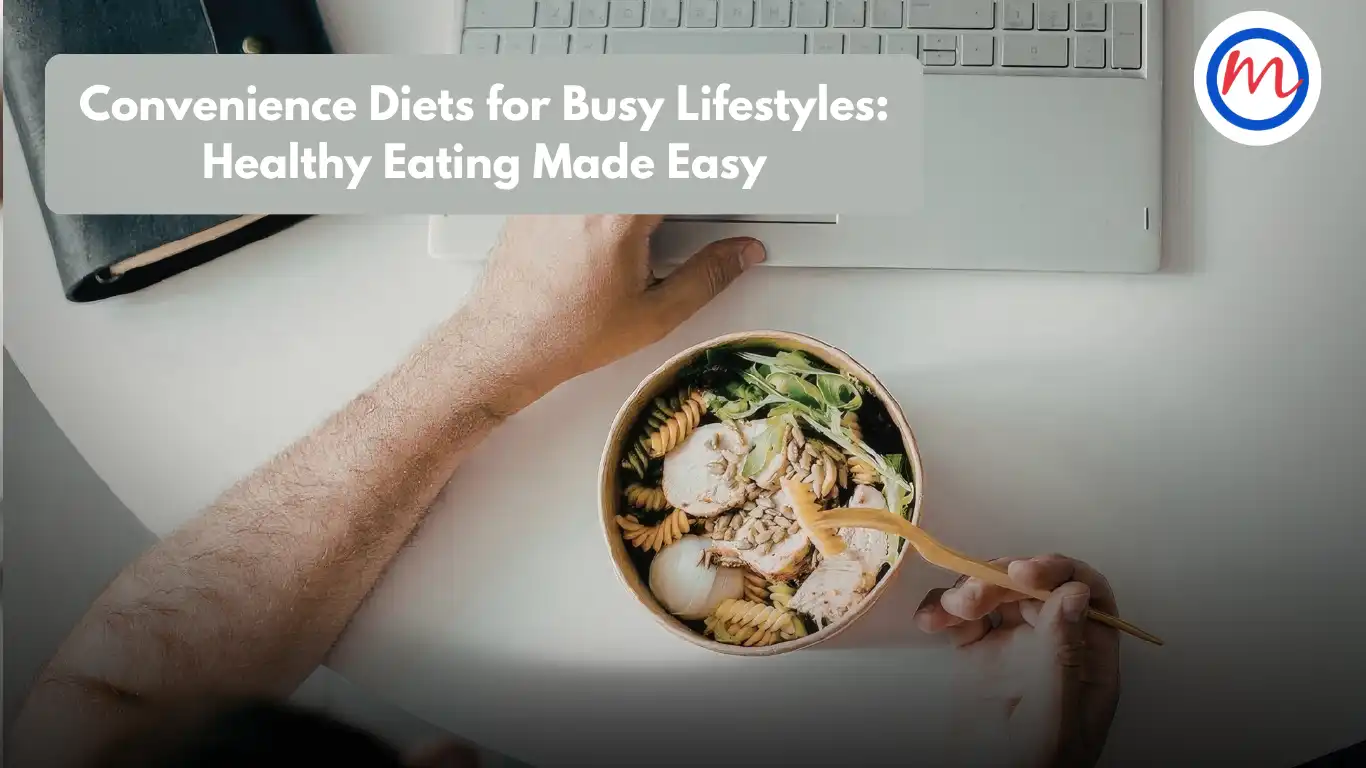
Convenience Diet Designed for People with Busy Lifestyles
As modern lifestyles become increasingly fast-paced, convenience diet is gaining popularity among individuals who struggle to find time for meal preparation. These diets focus on providing quick, practical and nutritionally balanced food options that fit into busy schedules without compromising health. A convenience diet is a practical eating approach that focuses on quick, balanced and easy-to-prepare meals for people with busy lifestyles.
Rather than relying on traditional diet plans that require extensive cooking, it focuses on simplifying healthy eating.
What is a Convenience Diet?
A convenience diet refers to a structured eating approach that emphasises:
- Quick meal preparation
- Ready-to-eat healthy options
- Minimal cooking time
- Easy portability
- Balanced nutrition
The goal is to make healthy eating practical rather than complicated.
Why They Are Becoming Popular
Busy Work Schedules
Many professionals spend long hours at work, leaving little time for elaborate cooking. It provides realistic solutions.
Rise of Nuclear Families
With fewer people available to cook at home, easy meal solutions are becoming necessary.
Increased Health Awareness
Instead of choosing fast food, many individuals now look for healthier convenient alternatives.
Growth of Healthy Food Markets
Availability of healthy ready-to-eat foods and meal kits has made convenience diets more accessible.
Benefits of Convenience Diet Approaches
Improves Diet Consistency
Simple meal options make it easier to stick to healthy eating habits.
Reduces Dependence on Fast Food
Having quick healthy alternatives may reduce the need to order highly processed foods.
Supports Portion Awareness
Pre-planned meals may help maintain better portion control.
Saves Time and Effort
It reduces decision fatigue related to meal preparation.
Examples of Healthy Convenience Diet Foods
Healthy convenience foods may include:
- Cut fruits and vegetables
- Roasted nuts
- Plain yoghurt
- Boiled eggs
- Sprouts
- Peanut butter sandwiches
- Millet flakes
- Overnight oats
- Homemade wraps
These foods require minimal preparation while offering good nutrition.
How to Build a Convenience Diet Plan
A simple structure may include:
Breakfast options:
- Overnight oats
- Fruit and curd
- Whole grain toast with peanut butter
Lunch options:
- Pre-packed homemade meals
- Vegetable sandwiches
- Millet bowls
Snack options:
- Nuts
- Seeds
- Fruits
- Buttermilk
Dinner options:
- Simple chapati with vegetable curry
- One-pot meals like khichdi
- Vegetable soups
Smart Meal Preparation Strategies
They often depend on planning rather than packaged foods.
Helpful strategies include:
- Weekend meal preparation
- Cutting vegetables in advance
- Cooking in batches
- Keeping healthy snacks ready
- Using simple recipes
- Planning weekly menus
Mistakes to Avoid in Convenience Diets
Convenience should not mean unhealthy shortcuts.
Common mistakes include:
- Overdependence on packaged diet foods
- Skipping vegetables
- Excess reliance on energy bars
- Choosing ultra-processed foods
- Ignoring protein intake
Convenience diets should still prioritise balanced nutrition.
Convenience Diets and Weight Management
They may support weight management when they:
- Reduce impulsive eating
- Encourage planned meals
- Prevent extreme hunger
- Promote healthier snack choices
However, calorie awareness remains essential.
Convenience Diets for Individuals with Diabetes
It can be adapted by including:
- High fibre foods
- Protein rich snacks
- Controlled carbohydrate portions
- Regular meal timing
Planning is essential to avoid dependence on processed foods marketed as diabetes-friendly.
Conclusion
Diets are not about shortcuts but about making healthy eating practical and sustainable. With proper planning, individuals with busy lifestyles can maintain balanced diets without spending excessive time on meal preparation.
Simple strategies like meal prepping, choosing natural ready-to-eat foods, and maintaining structured eating schedules can help individuals maintain health even in demanding urban environments.
As lifestyles continue to evolve, convenience diets will likely play an important role in helping people maintain consistent and healthy eating patterns.
Click to know more: https://drmohans.com/
Click to book an appointment: https://drmohansdiabetes.co.in/enroll/?campname=website