Can People with Diabetes Eat Corn and Bhutta During Monsoon? Myth vs Fact
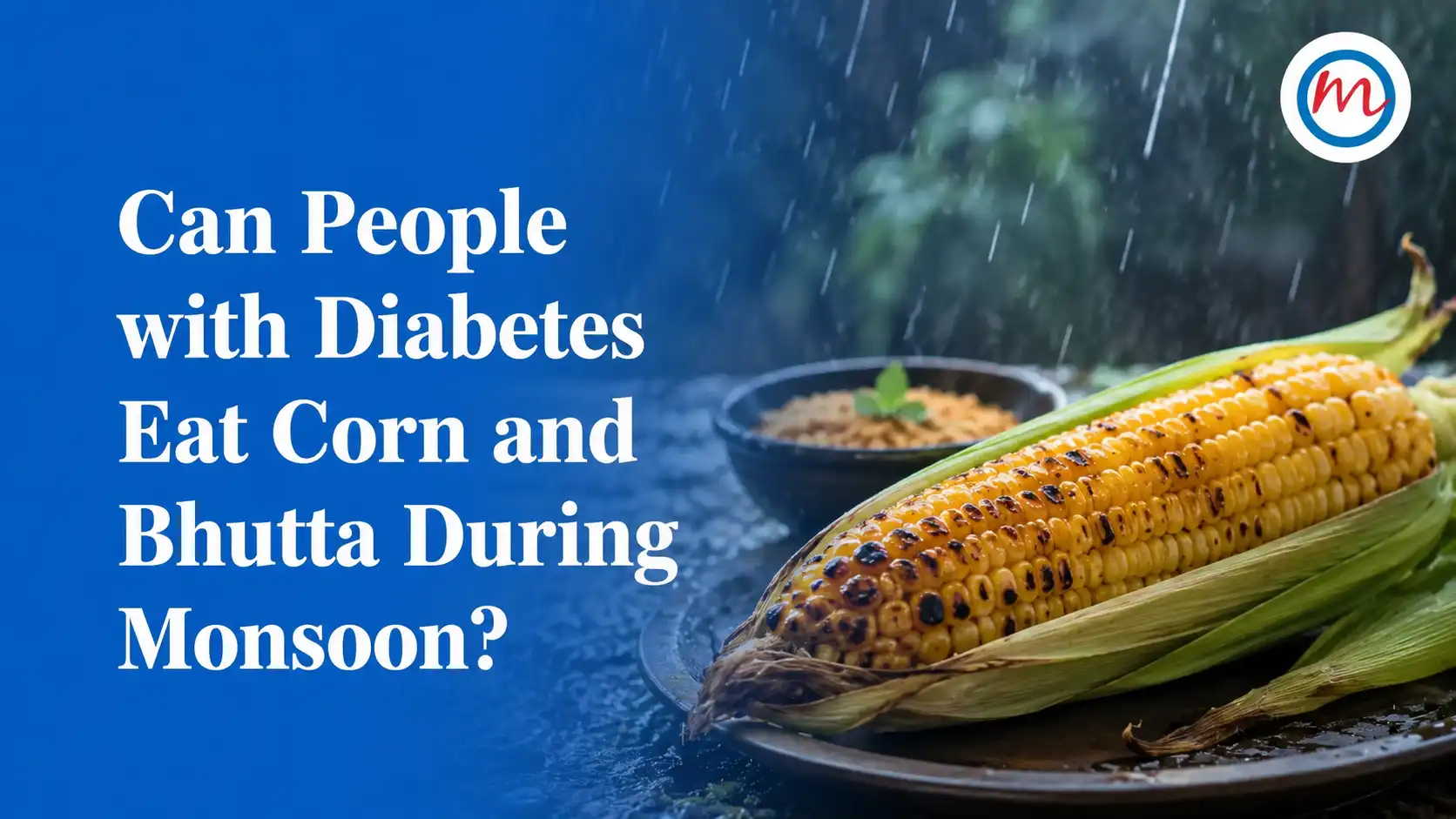
The sight of charcoal-grilled corn on the cob (bhutta), rubbed with lemon juice, black salt, and red chili powder is an iconic part of the Indian monsoon experience. As rain cools the air, the craving for this smoky, warm snack naturally intensifies.
However, for individuals managing diabetes, corn often sparks intense hesitation. Because it tastes naturally sweet and is structurally classified as a starchy grain, many believe it is an absolute dietary taboo. Let us break down the underlying science, debunk the most common myths, and understand how to safely enjoy bhutta during the rainy season without compromising your blood glucose control.
Debunking Corn and Bhutta Myths
Myth 1: Corn is too sweet and contains too much sugar for a diabetes diet.
- The Reality: While sweet corn has a distinct sweetness, its primary carbohydrate structure is not composed of simple sugars. Yellow sweet corn has a Glycemic Index (GI) of 52 to 54, placing it firmly within the low-to-moderate category (Atkinson et al., 2008).
- The Fact: Corn is classified as a whole grain. Unlike refined starches like white flour (maida) or white rice, the carbohydrates in corn are wrapped in a natural fibrous matrix that slows down breakdown and absorption in the gastrointestinal tract (Aini et al., 2022). Consequently, it does not provoke the rapid, dangerous blood sugar surges associated with ultra-processed foods.
Myth 2: Roasted bhutta raises blood sugar levels dangerously.
- The Reality: Many people assume that consuming a single cob of roasted corn will cause immediate metabolic distress. However, glycemic impact is dictated far more by the Glycemic Load (GL) which accounts for portion size than by the food item in isolation.
- The Fact: A standard half-cob of roasted corn contains roughly 15 grams of available carbohydrates (Juanico & Hurtada, n.d.). When roasted directly over charcoal, the heat slightly alters the starch structure.
As long as your portion size is minded, a single moderate ear of country corn (desi bhutta) serves as a highly acceptable substitute for your usual afternoon grain or snack carbohydrate allocation.
Nutritional Architecture of Corn
When eaten in its whole, unprocessed state, corn provides an array of functional nutrients that support metabolic health and bolster seasonal immunity:
- High Dietary Fiber: Corn is rich in insoluble fiber and soluble corn fiber (SCF), which increases short-chain fatty acid production in the gut, delays intestinal transit time, and significantly lowers postprandial glycemic and insulinemic responses (Tan et al., 2020).
- Resistant Starch: Natural maize contains Resistant Starch Type 2 (RS2), which completely resists enzymatic digestion in the small intestine (Liu et al., 2022). It travels directly to the large intestine where colonic microbiota ferment it, generating compounds that improve systemic insulin sensitivity and enhance long-term glucose homeostasis (Kim et al., 2024; Rashed et al., 2022).
- Potent Antioxidants: The vibrant yellow pigment in corn is caused by high concentrations of carotenoids, specifically lutein and zeaxanthin. These antioxidants protect vascular walls from oxidative stress, a critical factor given that chronic hyperglycemia increases the baseline risk for cardiovascular complications (Evert, n.d.).
How to Eat Corn Safely with Diabetes
The issue with corn during the monsoon rarely stems from the corn itself; it stems from how the corn is prepared and accessorized. Follow these parameters to protect your glycemic control:
- Avoid the Butter Overload: Street vendors frequently slather bhutta in melted butter or commercial margarine. While fats can technically lower the immediate glycemic index by delaying gastric emptying, an overload of poor-quality saturated or trans fats compromises cardiovascular health and induces cellular inflammation. Stick to the classic, calorie-free rub of fresh lemon juice, rock salt, and chaat masala.
- Steer Clear of Commercial Sweet Corn Cups: Avoid the steamed corn cups sold in shopping malls and street stalls that are heavily mixed with processed butter, mayonnaise, melted cheese, or sweet sauces. These additions turn a low-glycemic whole grain into a high-calorie, insulin-spiking trigger.
- Pair with Protein-Rich Foods: To completely flatline any potential blood sugar curve, never eat corn as an isolated carbohydrate meal. Pair your roasted bhutta with a high-protein counterpart, such as a handful of roasted chana, a small bowl of sprouted mung beans, or a few cubes of low-fat paneer. The added protein slows down digestion even further, ensuring a flat, steady release of energy.
Portion Recommendations for People with Diabetes
To maintain metabolic stability, treat corn as your primary carbohydrate source for that specific meal or snack window rather than an “extra” appetizer:
- The Afternoon Snack Window: 1 medium-sized ear of charcoal-roasted country corn (desi bhutta), roughly 4 to 5 inches in length. This replaces your evening tea biscuit or roti.
- The Steamed Kernel Modification: If eating boiled corn kernels, limit the portion to 1/2 cup (approximately 75 to 80 grams). Toss it with diced cucumbers, tomatoes, onions, and lemon juice to create a high-fiber monsoon salad.
Conclusion
You do not need to entirely forfeit the simple pleasure of eating bhutta during the rainy season. By understanding that corn is a fiber-rich whole grain rather than a simple sugar, you can confidently integrate it into your seasonal routine. Keep your preparation methods clean, respect recommended portion sizes, pair it with lean proteins, and enjoy the monsoon rains with total peace of mind.
Frequently Asked Questions (FAQs)
- Is there a nutritional difference between traditional Indian desi bhutta and American sweet corn for diabetes?
Yes. Local Indian country corn (desi bhutta) is generally higher in starch, tougher in texture, and contains more dietary fiber and resistant starch, meaning it digests at a slower rate. American sweet corn has been cultivated to have a higher percentage of simple soluble sugars, giving it a sweeter taste and making strict portion control much more critical.
- Can I use corn flour (makki ka atta) to make rotis during the monsoon?
Yes, but with caution. Pure corn flour has a lower glycemic index (around 48) compared to highly refined wheat flour (Aini et al., 2022). However, because it lacks gluten, it is often blended with regular wheat flour. Keep a close eye on your portion sizes and ensure you pair your makki ki roti with a large portion of fiber-rich green leafy vegetables (like sarson ka saag) and a lean protein.
- Does boiling corn change its glycemic index compared to roasting it?
Boiling causes the starch granules in corn to absorb water and swell (gelatinization), making the starches slightly more accessible to your digestive enzymes and minimally raising the GI. Charcoal-roasting uses dry heat, which keeps the fibrous structure intact and preserves more of its native slow-digesting properties.
- Can packaged or canned corn be consumed by individuals with diabetes?
Canned corn should generally be avoided or approached with extreme caution. Manufacturers frequently add liquid sugar, high-fructose corn syrup, and heavy amounts of sodium to the canning brine to preserve flavor, which can lead to immediate blood glucose spikes. Always prioritize fresh, seasonal cobs.
References
Aini, N., Sustriawan, B., Wahyuningsih, N., & Mela, E. (2022). Blood Sugar, Haemoglobin and Malondialdehyde Levels in Diabetic White Rats Fed a Diet of Corn Flour Cookies. Foods, 11(12), 1819. https://doi.org/10.3390/foods11121819
Cited by: 16
Atkinson, F. S., Foster-Powell, K., & Brand-Miller, J. C. (2008). International Tables of Glycemic Index and Glycemic Load Values: 2008. Diabetes Care, 31(11), 2281-2283. https://doi.org/10.2337/dc08-1239
Cited by: 2521
Evert, A. B. (n.d.). Nutrition Therapy Recommendations for the Management of Adults With Diabetes. Diabetes Care, 37 (Supplement_1), S120-S143.
Cited by: 2277
Juanico, C. B., & Hurtada, W. A. (n.d.). Blood Glucose Lowering Effect of Rice-Corn Mix Consumption Among Individuals with Type 2 Diabetes.
Cited by: 4
Kim, M. K., Park, J., & Kim, D. M. (2024). Resistant starch and type 2 diabetes mellitus: Clinical perspective. Journal of Diabetes Investigation, 15(4), 395-401. https://doi.org/10.1111/jdi.14139
Cited by: 41
Liu, J., Lu, W., Liang, Y., Wang, L., Jin, N., Zhao, H., Fan, B., & Wang, F. (2022). Research Progress on Hypoglycemic Mechanisms of Resistant Starch: A Review. Molecules, 27(20), 7111. https://doi.org/10.3390/molecules27207111
Cited by: 28
Rashed, A. A., Saparuddin, F., Rathi, D. N. G., Nasir, N. N. M., & Lokman, E. F. (2022). Effects of Resistant Starch Interventions on Metabolic Biomarkers in Pre-Diabetes and Diabetes Adults. Frontiers in Nutrition, 8. https://doi.org/10.3389/fnut.2021.793414
Cited by: 38
Tan, W. S. K., Chia, P. F. W., Ponnalagu, S., Karnik, K., & Henry, C. J. (2020). The Role of Soluble Corn Fiber on Glycemic and Insulin Response. Nutrients, 12(4), 961. https://doi.org/10.3390/nu12040961
Cited by: 45
Don’t Let Seasonal Changes Complicate Your Diabetes Journey!
Unpredictable weather can lead to unexpected changes in your physical activity levels, dietary habits, and baseline glucose readings. Take proactive control of your health by scheduling a detailed metabolic evaluation with the expert medical team at Dr. Mohan’s Diabetes Specialities Centre. Receive scientific, highly tailored guidance to help you successfully balance seasonal cravings while maintaining optimal, long-term glycaemic health.
Book your lifestyle assessment and clinical consultation today!