
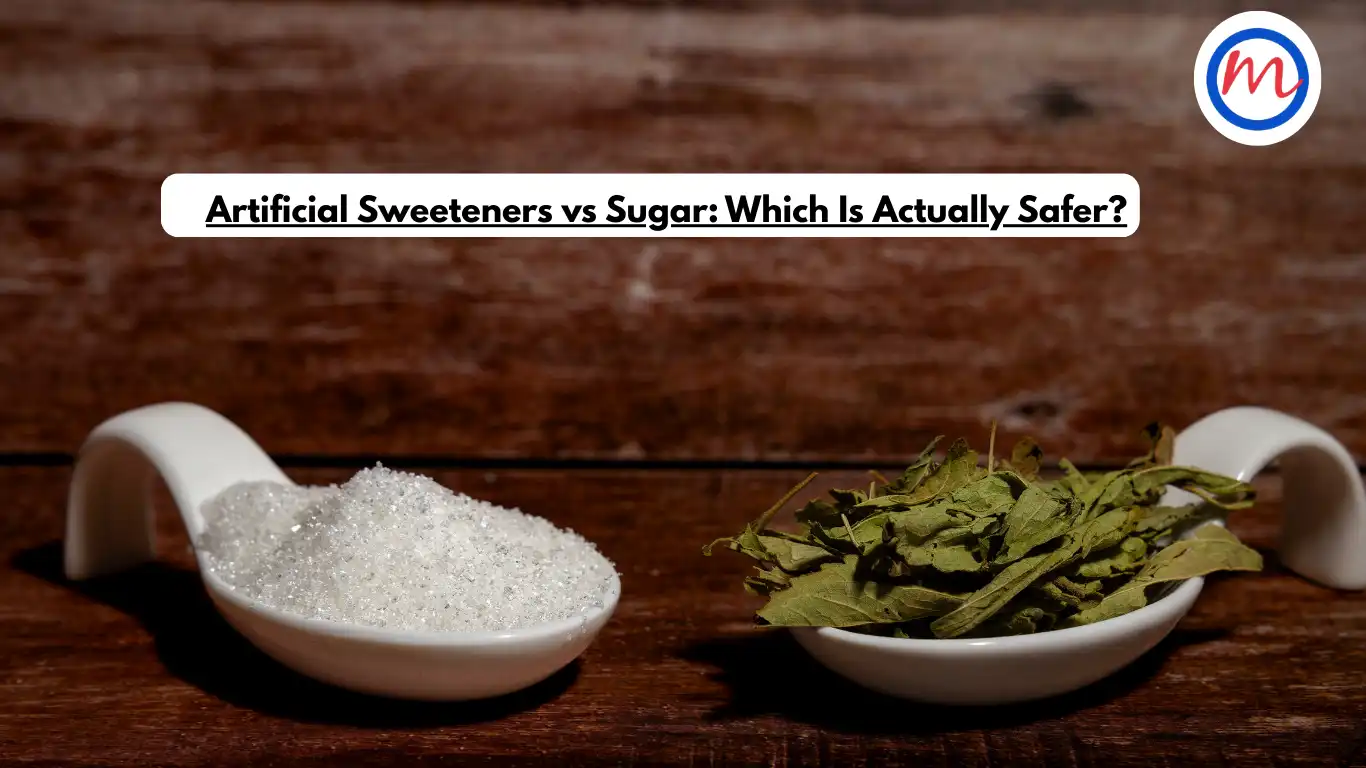
Artificial Sweeteners vs Sugar: Which Is Actually Safer?
Introduction: Understanding Artificial Sweeteners vs Sugar
The debate around artificial sweeteners vs sugar has become increasingly common as more people try to reduce sugar intake. With rising awareness about diabetes, obesity and metabolic disorders, many individuals are turning to artificial sweeteners as alternatives to sugar.
Artificial sweeteners promise sweetness without the calories or blood sugar spikes associated with regular sugar. However, concerns about long-term safety and metabolic effects still exist.
Understanding artificial sweeteners vs sugar helps individuals make informed dietary choices and maintain better metabolic health.
What Is Sugar?
Sugar refers to simple carbohydrates that provide energy to the body. Common forms include:
-
Table sugar (sucrose)
-
Glucose
-
Fructose
Sugar occurs naturally in foods such as fruits and milk. However, problems arise when large amounts of added sugar are consumed through processed foods, desserts and sugary beverages.
Excess sugar intake is associated with:
-
Weight gain
-
Insulin resistance
-
Fat accumulation in the liver
-
Increased risk of type 2 diabetes
These health concerns are one reason the conversation around artificial sweeteners vs sugar has gained attention.
What Are Artificial Sweeteners?
Artificial sweeteners are substances designed to provide sweetness with little or no calories.
Common examples include:
-
Aspartame
-
Saccharin
-
Sucralose
-
Acesulfame potassium
-
Stevia
These sweeteners are significantly sweeter than sugar, meaning very small amounts are needed to produce the same level of sweetness.
Artificial sweeteners are commonly used in:
-
Diet beverages
-
Sugar-free desserts
-
Packaged foods labelled “low calorie” or “sugar free”
This widespread use has increased the debate about artificial sweeteners vs sugar in everyday diets.
Artificial Sweeteners vs Sugar: Impact on Blood Sugar
One major advantage of artificial sweeteners is that they do not significantly raise blood glucose levels.
Unlike sugar, artificial sweeteners:
-
Provide little or no calories
-
Do not cause rapid blood sugar spikes
-
May help reduce overall sugar intake
For individuals with diabetes, replacing sugar with artificial sweeteners can support short-term glucose control.
However, the long-term metabolic effects in the artificial sweeteners vs sugar debate are still being studied.
Potential Concerns About Artificial Sweeteners
Although artificial sweeteners are approved by food safety authorities within recommended limits, some concerns remain.
Increased Sweet Cravings
Some studies suggest artificial sweeteners may:
-
Maintain a preference for sweet foods
-
Increase cravings for sugary snacks
-
Lead to higher calorie intake later
This may reduce the intended benefits in weight management.
Effects on Gut Microbiome
Emerging research indicates that certain artificial sweeteners may alter gut bacteria. Changes in the gut microbiome may influence metabolism and glucose regulation.
This has added complexity to the artificial sweeteners vs sugar discussion.
Dependence on Sweet Taste
Frequent consumption of intensely sweet products may make it harder for individuals to enjoy foods that are naturally less sweet.
This psychological dependence is another factor in the artificial sweeteners vs sugar debate.
Is Sugar Actually Safer?
Sugar is a natural substance, but excessive intake can have significant health consequences.
High sugar consumption is linked to:
-
Obesity
-
Insulin resistance
-
Fatty liver disease
-
Elevated triglycerides
-
Increased diabetes risk
Unlike artificial sweeteners, sugar provides calories and can rapidly increase blood glucose levels when consumed in large amounts.
For individuals with diabetes or insulin resistance, excess sugar intake can worsen metabolic control.
Artificial Sweeteners vs Sugar: Which Should You Choose?
When evaluating artificial sweeteners vs sugar, moderation remains the most important principle.
Artificial sweeteners may be helpful for:
-
Reducing overall sugar intake
-
Supporting weight management
-
Controlling blood sugar in people with diabetes
However, they should not replace healthy dietary habits.
The healthiest approach is gradually reducing dependence on very sweet foods rather than simply replacing sugar with artificial alternatives.
Practical Ways to Reduce Sweetness in the Diet
Instead of focusing only on artificial sweeteners vs sugar, many nutrition experts recommend reducing overall sweetness in the diet.
Helpful strategies include:
-
Limiting sugary beverages
-
Choosing whole foods over processed snacks
-
Using spices such as cinnamon or cardamom for flavour
-
Gradually reducing sugar in tea or coffee
Over time, taste preferences adjust and naturally less sweet foods become more satisfying.
The Key Takeaway
The discussion around artificial sweeteners vs sugar highlights an important principle: both should be consumed thoughtfully.
Artificial sweeteners may help reduce sugar intake and support blood sugar control in certain situations. However, relying heavily on sweeteners may maintain cravings for sweet foods.
The most sustainable strategy is reducing dependence on sweetness overall. Balanced nutrition, whole foods and moderate sugar intake remain the most effective approach for protecting long-term metabolic health.
Click to know more: https://drmohans.com/
Click to book an appointment: https://drmohansdiabetes.co.in/enroll/?campname=website