Tag: diabetes management
-
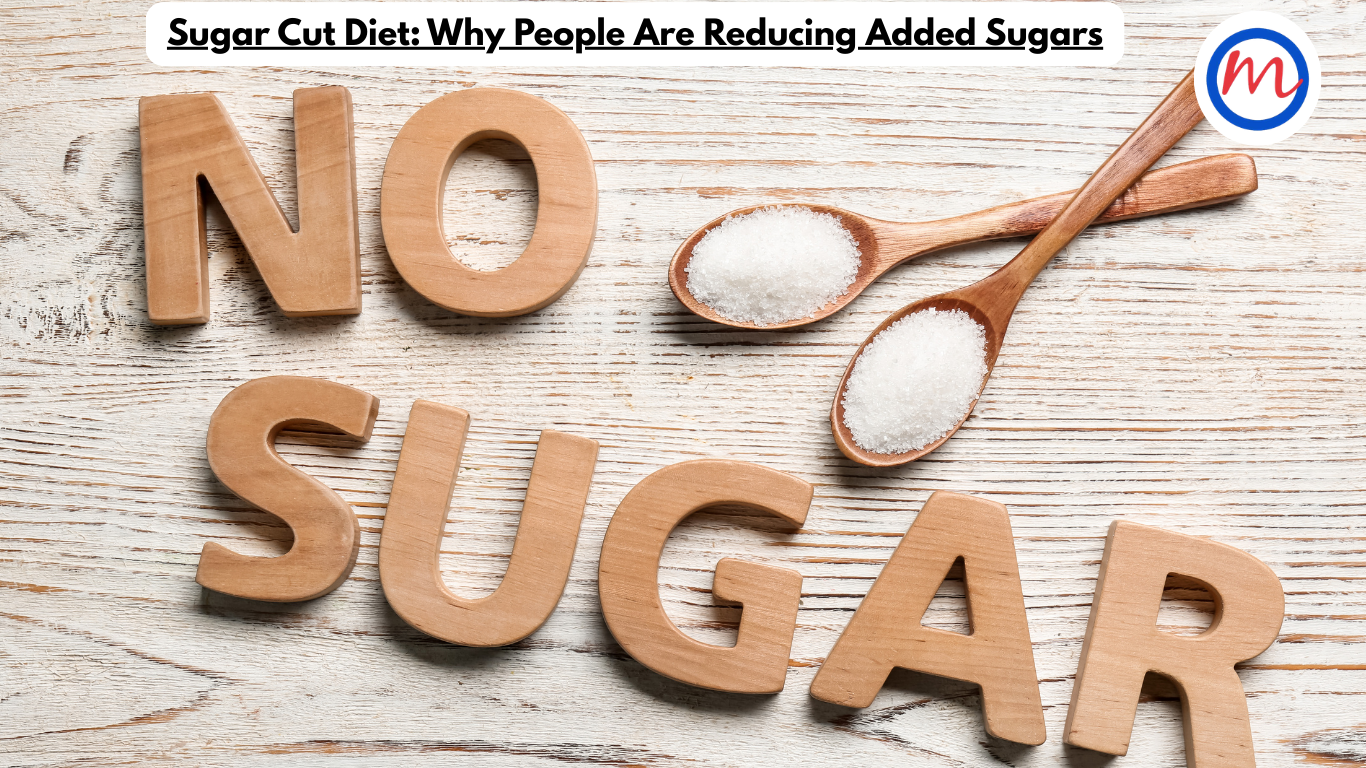
Sugar Cut Diet: Why People Are Reducing Added Sugars
Sugar Cut Diet: Why People Are Reducing Added Sugars Introduction: The Growing Interest in the Sugar Cut Diet In recent years, the sugar cut diet has gained attention as more people become aware of the effects of excess sugar on health. Many individuals are consciously reducing added sugars in their daily diet to improve energy…
-
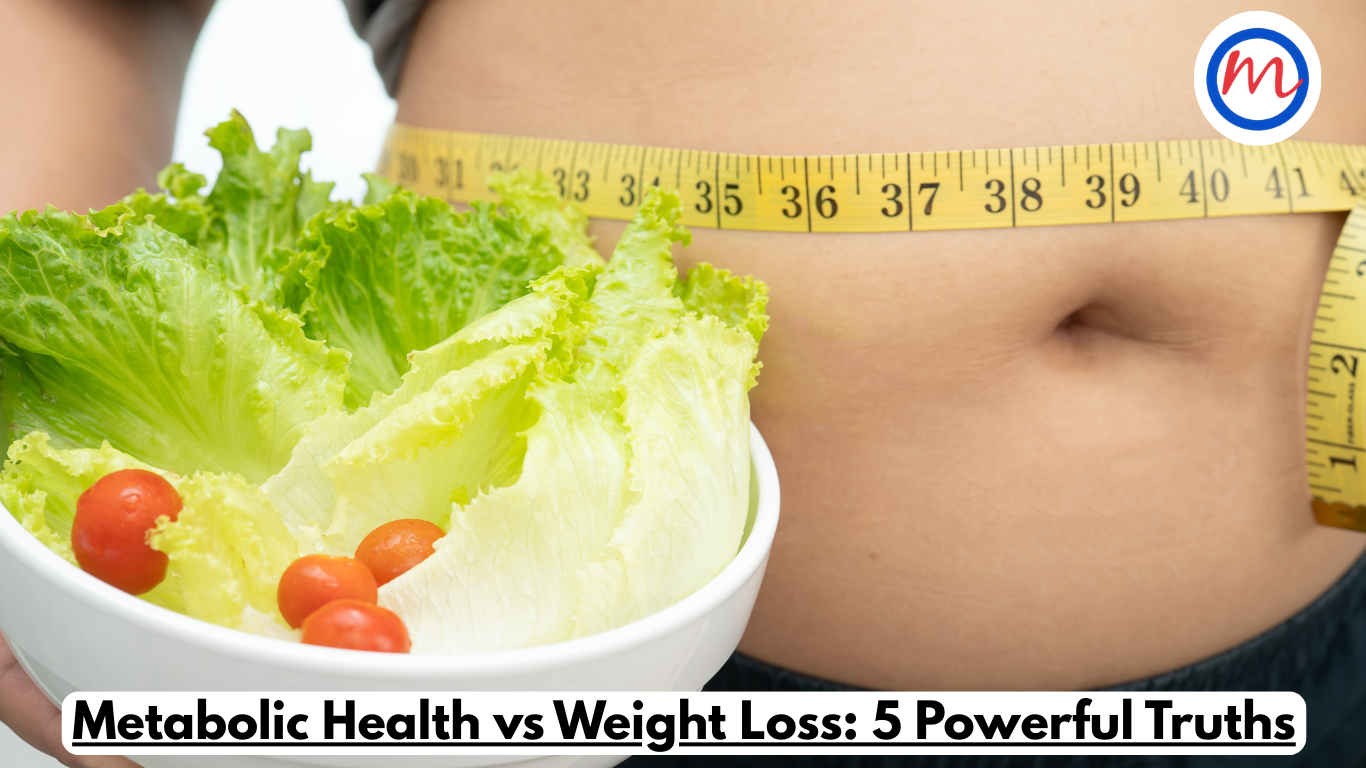
Metabolic Health vs Weight Loss: 5 Powerful Truths
Metabolic Health vs Weight Loss: Why the Goal Is Not Just the Scale Introduction: Understanding Metabolic Health vs Weight Loss The debate around Metabolic Health vs Weight Loss often creates confusion. Many people believe that losing weight automatically means becoming healthier. If the scale goes down, they assume everything inside the body is improving. However,…
-
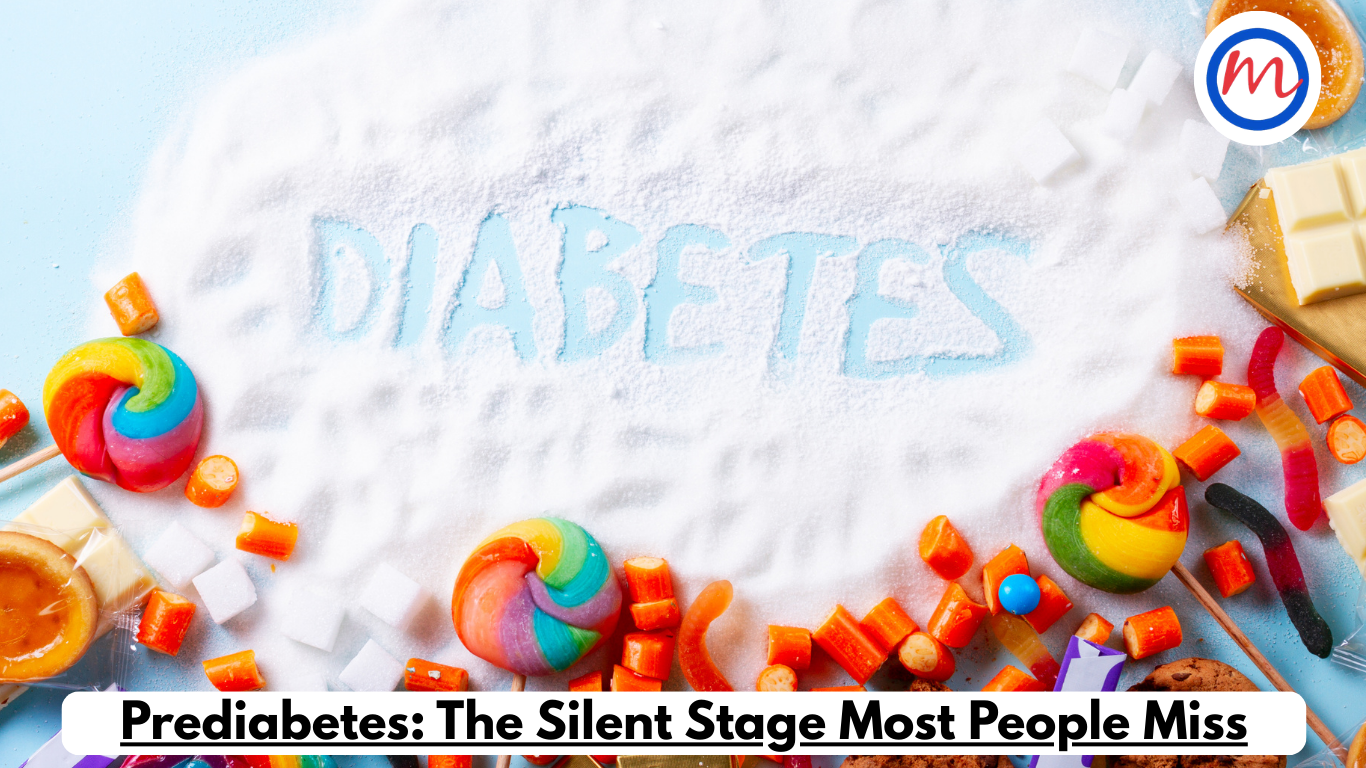
Prediabetes: The Silent Stage Most People Miss
Prediabetes: The Silent Stage Most People Miss Introduction: Why Prediabetes Often Goes Unnoticed Many people believe diabetes appears suddenly. In reality, diabetes develops slowly over several years, often passing through a silent stage called prediabetes. Prediabetes is frequently missed because there are no dramatic symptoms. However, recognising it early offers the best opportunity to prevent…
-
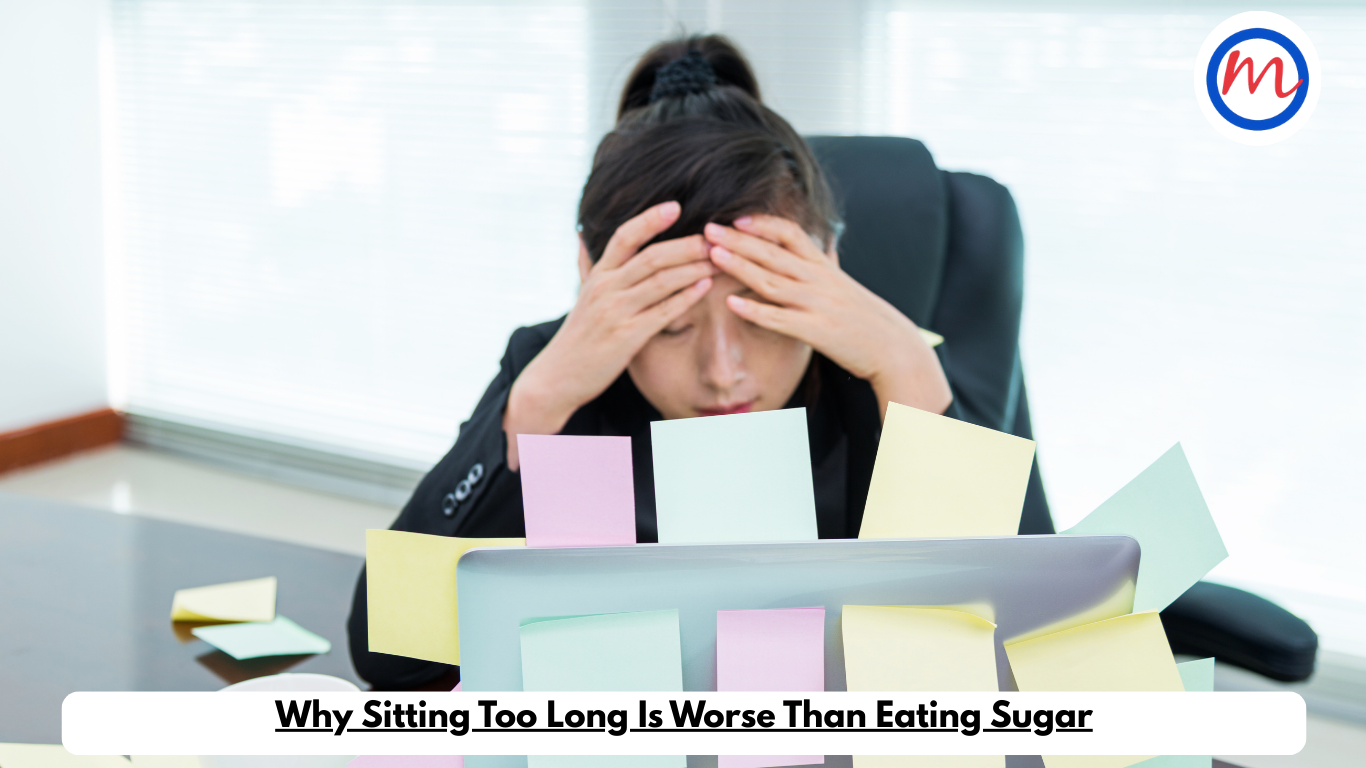
Why Sitting Too Long Is Worse Than Eating Sugar
Why Sitting Too Long Is Worse Than Eating Sugar Introduction: A Silent Habit That Damages Metabolism Many people believe that avoiding sweets is the most important step in preventing diabetes. While reducing excess sugar is essential, there is another silent habit that may be even more harmful — prolonged sitting. Understanding why sitting too long…
-
Why You Feel Tired After Meals: Sugar or Insulin?
Why You Feel Tired After Meals: Sugar or Insulin? Introduction: Why You Feel Tired After Meals Many people notice unusual sleepiness, heaviness or fatigue after eating. A common thought is, “Maybe I ate too much,” or “Food makes me sleepy.” However, if you frequently wonder why you feel tired after meals, it may not be…
-
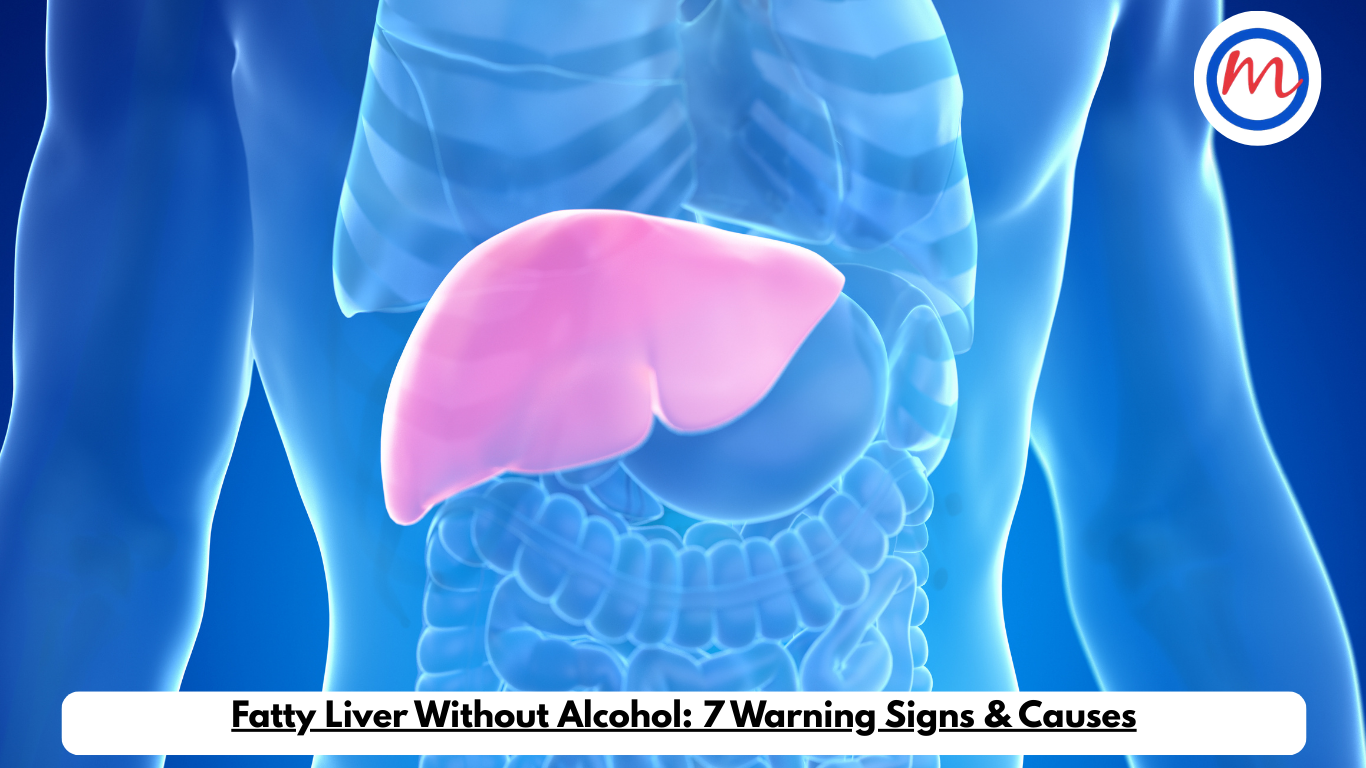
Fatty Liver Without Alcohol: 7 Warning Signs & Causes
Fatty Liver Without Alcohol: 7 Warning Signs & Causes Introduction: Understanding Fatty Liver Without Alcohol Many people feel shocked when a scan report shows fatty liver without alcohol, especially if they do not drink at all. A common reaction is: “I don’t drink—how can I have fatty liver?” This confusion is understandable. Fatty liver without…
-

5 Powerful Reasons Why Continuity of Care Improves Health Outcomes
5 Powerful Reasons Why Continuity of Care Improves Health Outcomes Introduction: Why Continuity of Care Matters In chronic disease management, improvement does not happen in a single visit. Conditions such as diabetes, hypertension, thyroid disorders and heart disease evolve over time. This is why continuity of care improves health outcomes in ways that isolated consultations…
-

5 Powerful Shifts in the Future of Diabetes Management: Data + Discipline
5 Powerful Shifts in the Future of Diabetes Management: Data + Discipline Introduction: Where Diabetes Care Is Headed The future of diabetes management is no longer limited to medication adjustments during clinic visits. Today, diabetes care is evolving into a model built on two powerful pillars: data and discipline. Data provides insight. Discipline ensures action.…
-
5 Powerful Ways Care Teams Improve Chronic Disease Management
5 Powerful Ways Care Teams Improve Chronic Disease Management Introduction: Why Care Teams in Chronic Disease Management Matter Chronic diseases such as diabetes, hypertension, thyroid disorders and heart disease cannot be effectively managed in a single consultation. They require continuous monitoring, medication adjustments, lifestyle modification and emotional support over years. This is where care teams…
-

5 Powerful Reasons Structured Care Programs Improve Chronic Disease Outcomes
5 Powerful Reasons Structured Care Programs Improve Chronic Disease Outcomes Introduction: Why Structured Care Programs Matter Chronic diseases such as diabetes, hypertension, thyroid disorders and heart disease require more than occasional doctor visits. They demand long-term planning, consistent monitoring and coordinated management. This is why structured care programs are essential in chronic disease management. Structured…