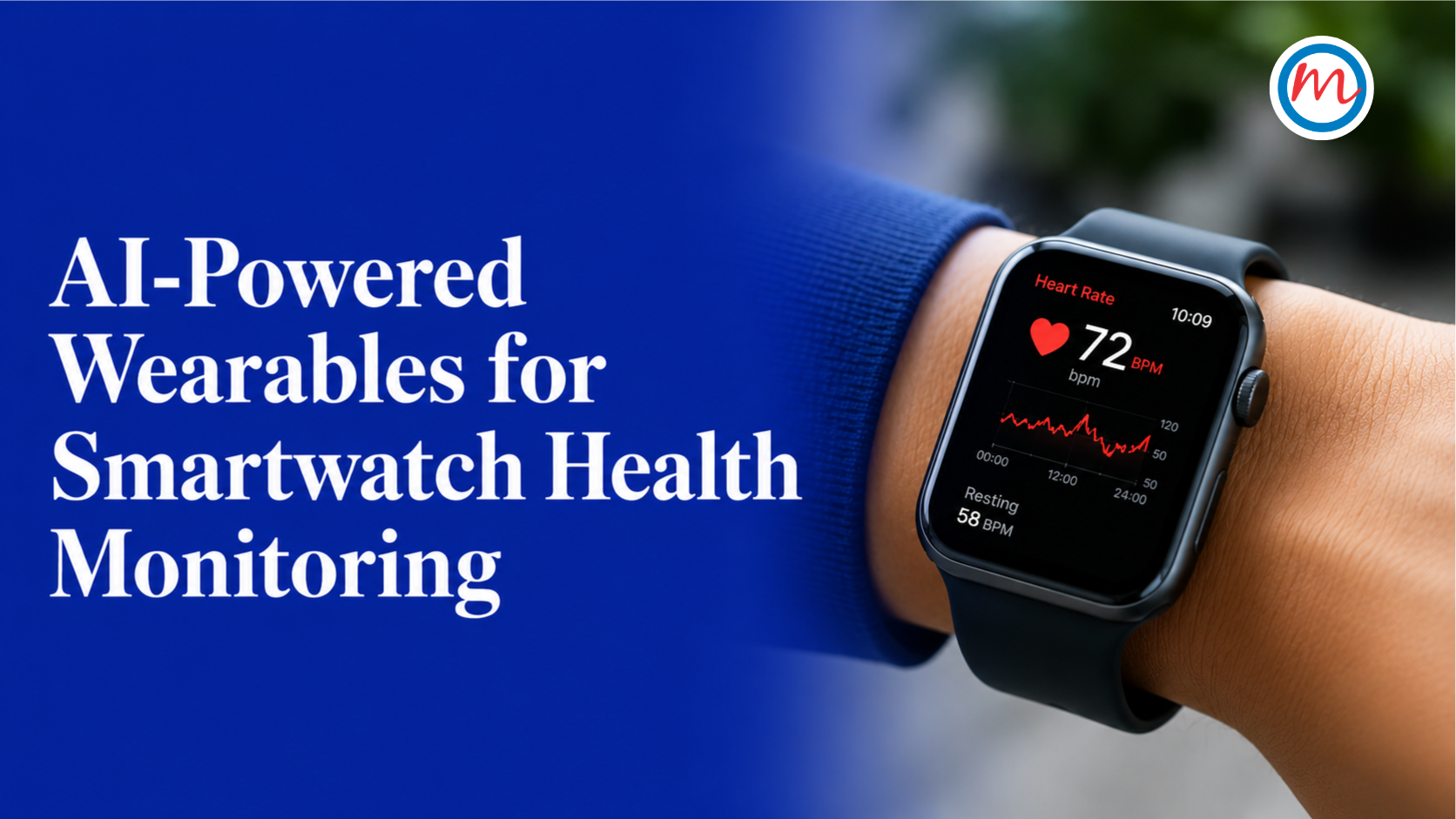
Can Your Smartwatch Predict Health Problems? The Rise of AI-Powered Wearables
Just a few years ago, smartwatches were mainly used to check the time, count steps, or receive notifications. Today, they have evolved into powerful health companions capable of tracking heart rate, sleep quality, physical activity, blood oxygen levels, and much more.
With the addition of Artificial Intelligence (AI), wearable devices are becoming even smarter. Instead of simply collecting health data, AI can analyze patterns, detect unusual changes, and provide personalized health insights. While a smartwatch cannot diagnose a disease on its own, it can identify early warning signs that encourage users to seek medical advice before problems become serious.
For people living with diabetes and even those who want to prevent it, AI-powered wearables are opening new possibilities for proactive, personalized healthcare.
What Are AI-Powered Wearables?
AI-powered wearables are devices such as smartwatches, fitness bands, and smart rings that continuously collect health information and use Artificial Intelligence to analyze it.
These devices can monitor:
- Heart rate
- Physical activity
- Sleep patterns
- Stress levels
- Blood oxygen saturation (SpO₂)
- Skin temperature (on supported devices)
- Heart rhythm (ECG on supported devices)
- Daily movement trends
When AI analyzes this information over time, it can detect changes that may not be obvious to the user.
1. Early Detection of Heart Rhythm Problems
Some modern smartwatches can record an electrocardiogram (ECG) and alert users if they detect irregular heart rhythms, such as possible atrial fibrillation.
Early identification is important because untreated rhythm abnormalities may increase the risk of stroke and other cardiovascular complications. According to the World Health Organization, cardiovascular diseases remain a leading cause of death worldwide, making early detection tools especially valuable.
However, smartwatch alerts are screening tools, not a diagnosis. Any abnormal notification should be evaluated by a healthcare professional.
2. Wearables Encourage Physical Activity
One of the biggest benefits of wearable technology is motivation.
Daily reminders to:
- Walk more
- Stand up regularly
- Complete activity goals
- Exercise consistently
can help people become more active.
Regular physical activity improves:
- Blood sugar control
- Blood pressure
- Cholesterol levels
- Weight management
- Mental well-being
Even small increases in daily movement can have significant health benefits.
3. Better Sleep Tracking with AI-Powered Wearables
Poor sleep has been linked to:
- Type 2 diabetes
- Obesity
- High blood pressure
- Heart disease
- Insulin resistance
Many AI-powered wearables estimate sleep duration, sleep stages, and overnight trends, helping users understand their sleep habits.
Although consumer devices are not as accurate as clinical sleep studies, they can still encourage healthier sleep routines.
4. Monitoring Stress Levels
Chronic stress affects both physical and mental health.
Many wearable devices estimate stress levels using measurements such as heart rate variability and other physiological signals.
By recognizing periods of increased stress, users may be encouraged to:
- Practice deep breathing
- Take breaks
- Improve sleep
- Exercise regularly
- Seek professional support when needed
Managing stress is also an important part of diabetes care.
5. Supporting Diabetes Management
Although most smartwatches do not directly measure blood glucose, they can play an important role in diabetes management.
When connected to compatible Continuous Glucose Monitoring (CGM) systems, users may be able to:
- View glucose readings on their wrist
- Receive alerts for high or low glucose levels
- Track glucose trends throughout the day
- Share data with healthcare providers
This combination of wearable technology and CGM makes diabetes management more convenient and proactive. Learn more about our diabetes care centres and how our team supports patients using connected monitoring tools.
6. AI Learns Your Health Patterns
Artificial Intelligence is what makes modern wearables truly intelligent.
Instead of simply recording numbers, AI can learn your usual health patterns and identify meaningful changes.
For example, AI may detect:
- Reduced physical activity
- Poor sleep over several days
- Increased resting heart rate
- Changes in exercise performance
- Unusual recovery patterns
These insights can help users recognize potential health concerns earlier.
7. Helping Prevent Lifestyle Diseases
Wearables encourage healthy daily habits by providing continuous feedback.
They may help users:
- Walk more
- Sit less
- Maintain a healthy weight
- Improve sleep quality
- Build consistent exercise habits
- Monitor heart health
These lifestyle improvements can reduce the risk of developing conditions such as Type 2 diabetes, obesity, hypertension, and heart disease. Organizations like the International Diabetes Federation emphasize that early lifestyle intervention significantly lowers long-term diabetes risk.
8. Remote Monitoring and Telemedicine
Healthcare is becoming increasingly connected.
Many wearable devices allow users to securely share health information with healthcare professionals.
This can support:
- Virtual consultations
- Long-term monitoring
- Personalized treatment adjustments
- Better follow-up care
Remote monitoring is especially valuable for older adults and people living in areas with limited access to specialist healthcare.
9. AI Is Powerful but It Doesn’t Replace Doctors
One of the biggest misconceptions is that AI-powered wearables can replace medical professionals.
The reality is that these devices are designed to support, not replace clinical care.
They can:
- Detect trends
- Identify unusual changes
- Encourage healthier habits
- Prompt timely medical evaluation
But diagnosis and treatment decisions should always be made by qualified healthcare professionals.
10. The Future of AI-Powered Wearables Is Exciting
Researchers are working on next-generation wearable technologies that may provide even more advanced health insights.
Future innovations may include:
- Improved glucose monitoring
- Better blood pressure estimation
- Earlier detection of chronic diseases
- More personalized AI recommendations
- Integration with electronic health records
- Predictive health alerts
As technology continues to evolve, wearable devices are expected to play an even greater role in preventive healthcare.
Can a Smartwatch Detect Diabetes?
This is one of the most common questions people ask.
Currently, commercially available smartwatches cannot diagnose diabetes or accurately measure blood glucose without additional medical devices.
However, they can monitor several health indicators that are associated with metabolic health, such as:
- Physical activity
- Sleep quality
- Heart rate
- Weight management
- Stress levels
When combined with Continuous Glucose Monitoring (CGM) and regular medical check-ups, wearables can become valuable tools for supporting diabetes management. Check your own risk level using our IDRS Diabetes Risk Score calculator.
Frequently Asked Questions
Can a smartwatch replace regular health check-ups?
No. Smartwatches provide useful health information but cannot replace medical examinations, laboratory tests, or consultations with healthcare professionals.
Are AI-powered wearables accurate?
Many measurements, such as heart rate and activity tracking, are generally reliable for everyday use. However, accuracy varies depending on the device and feature. Medical decisions should not be based solely on wearable data.
Can a smartwatch measure blood sugar?
Most current smartwatches cannot directly measure blood glucose. People with diabetes should continue to use approved glucose monitoring devices such as glucometers or Continuous Glucose Monitoring (CGM) systems.
Should people with diabetes wear a smartwatch?
A smartwatch can help many people with diabetes track physical activity, sleep, heart rate, and, in some cases, display glucose information when connected to compatible CGM systems. Discuss with your healthcare provider whether it is suitable for your needs.
AI-powered wearables are transforming the way people monitor their health. By tracking daily activity, sleep, heart rate, stress, and other important health indicators, these devices encourage healthier habits and support early detection of potential health concerns.
While they are not substitutes for professional medical care, they can be valuable partners in preventive healthcare, especially when combined with regular check-ups, advanced diabetes technologies like CGM, and expert medical guidance.
Experience Technology-Driven Diabetes Care at Dr. Mohan’s Diabetes Specialities Centre
At Dr. Mohan’s Diabetes Specialities Centre, we embrace technology to help our patients achieve better health outcomes. We combine decades of clinical expertise with modern innovations such as Continuous Glucose Monitoring (CGM), AI-powered diabetes risk assessment, and our AI-enabled patient chatbot, which provides trusted diabetes information and guidance.
By integrating advanced technology with personalized, evidence-based care, we help patients understand their health better, identify risks earlier, and make informed decisions about their diabetes management.
Whether you are looking to prevent diabetes, optimize blood sugar control, or manage diabetes-related complications, our multidisciplinary team is here to support you every step of the way.
Book your appointment today at Dr. Mohan’s Diabetes Specialities Centre and discover how technology and expert care can work together for a healthier future.